
About SLRiseHub Media
A home for Sierra Leone's stories and people.
SLRiseHub Media is a Sierra Leonean digital publication documenting the country through its people, stories, places, ideas and moments — and building, story by story, a searchable record of the nation.
What we do
We publish accurate, human-centred journalism: news that matters, profiles of the people shaping and reflecting the country, features that explain what events mean for real lives, photography that records how Sierra Leone looks and lives, and explainers that make complex issues clear.
Every story we publish is connected to the people, places, organisations and topics it involves. Over time those connections become an archive — a way to discover Sierra Leone that grows more valuable with every story.
What we believe
- Story first. The design serves the reporting, not the other way round.
- People-centred. Notable people and ordinary people with meaningful stories both deserve careful, fair coverage.
- Accurate and accountable. We name our sources where we can, label opinion and sponsored content clearly, and correct mistakes openly.
- Built for how Sierra Leone reads. Our pages are fast on ordinary phones and slow connections, and never ask you to create an account to read.
- Human-accountable. Software may help us work, but people report, verify and publish our journalism.
Read our editorial standards and corrections policy.
Our symbol
Why the Cotton Tree
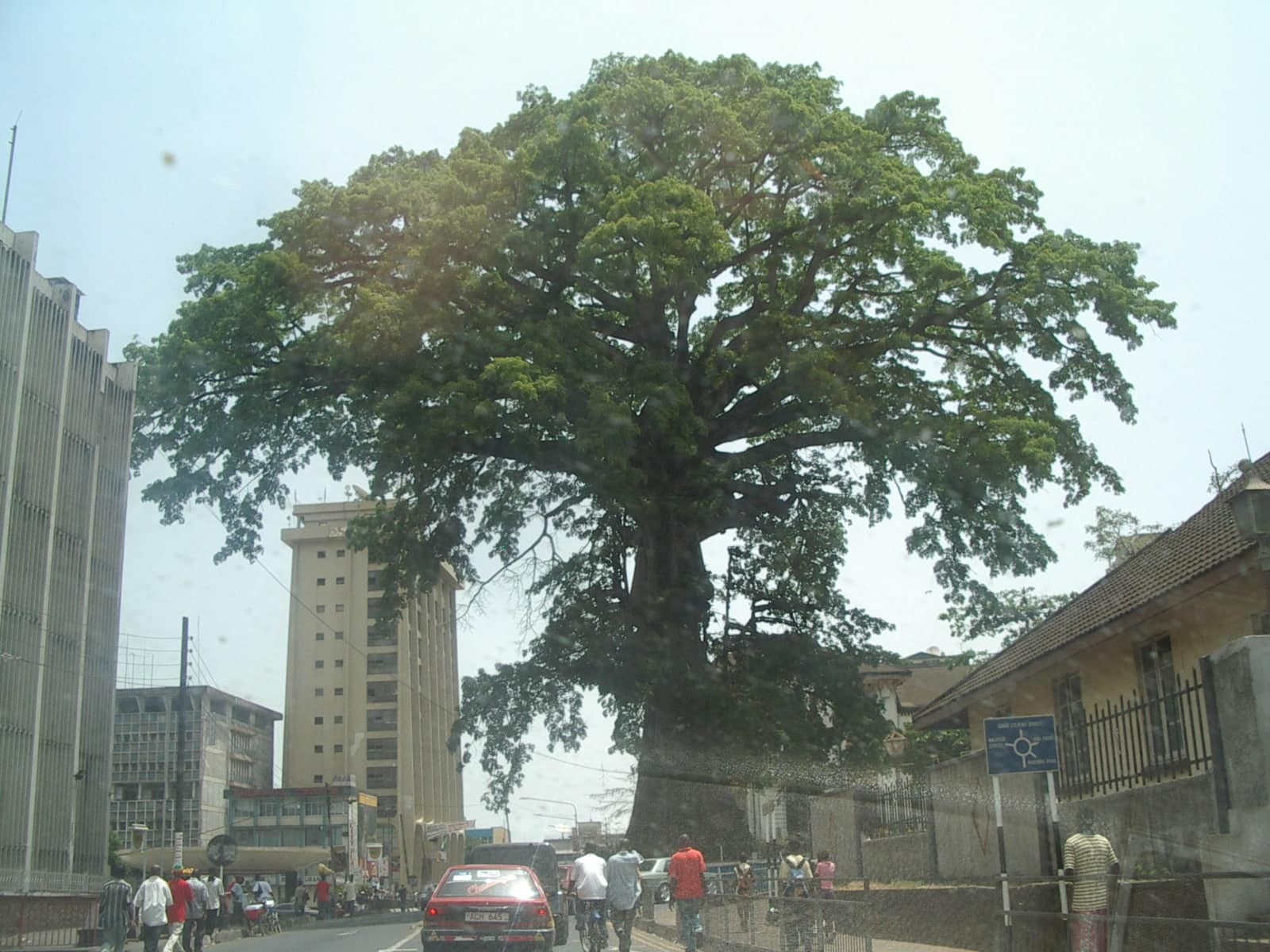
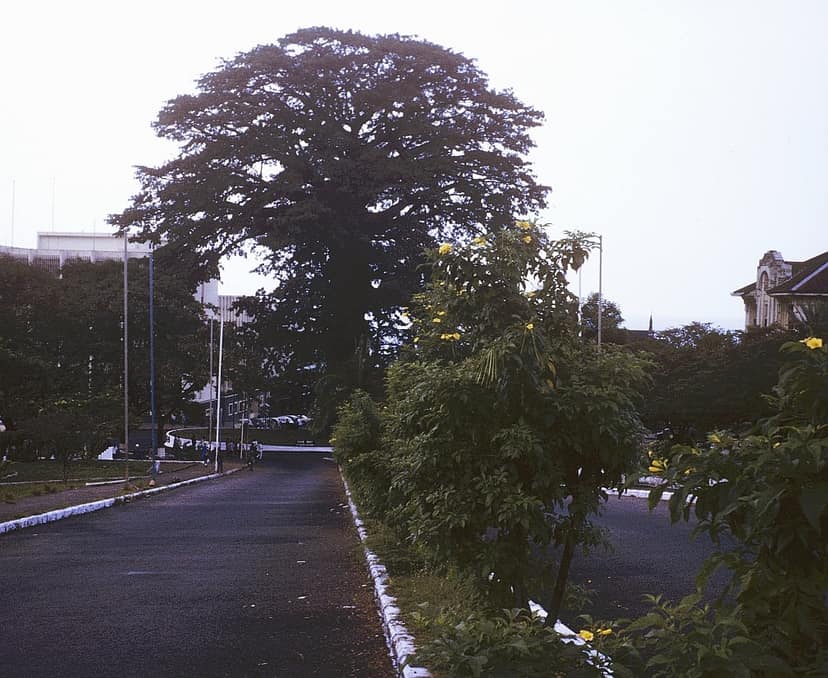
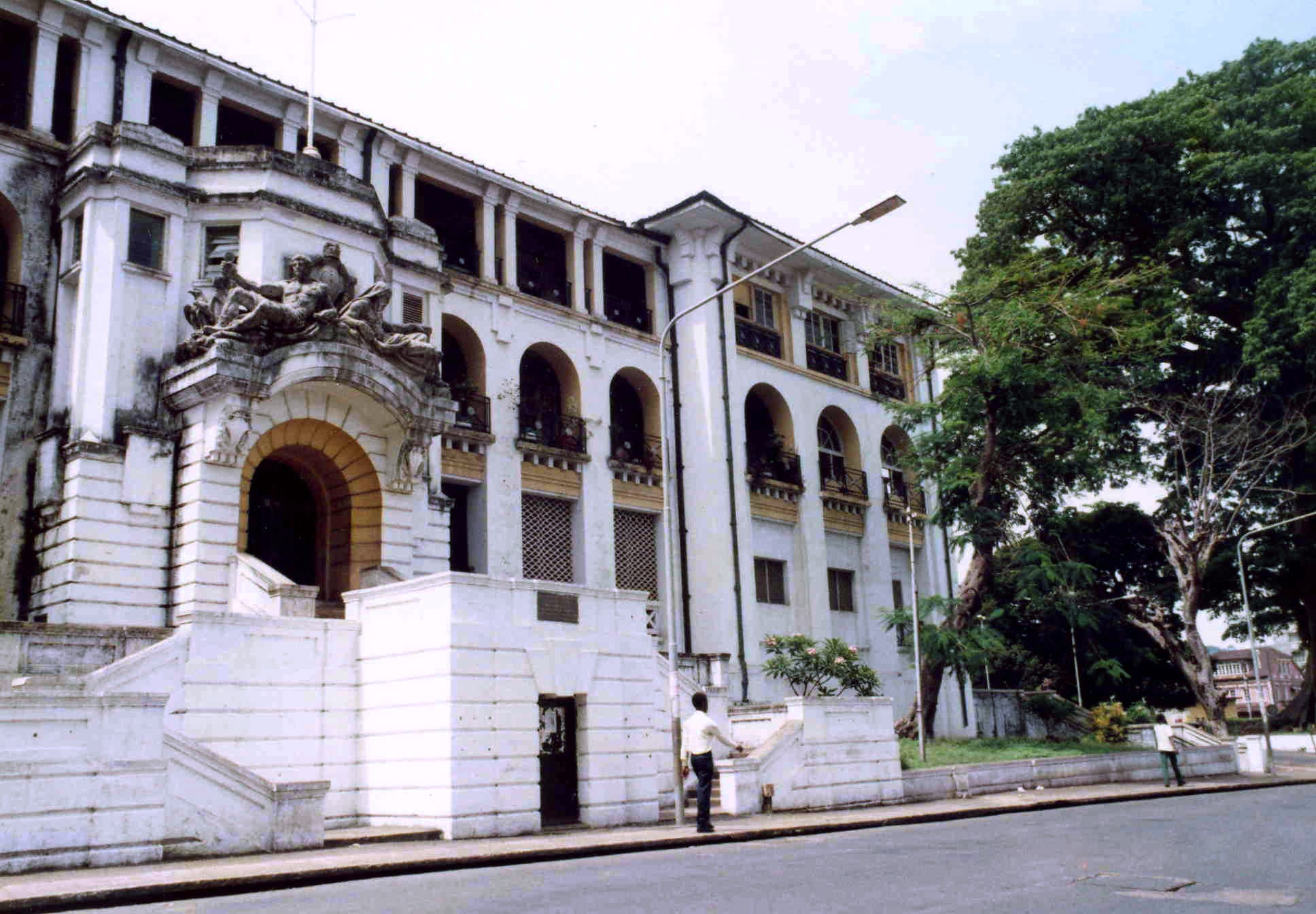
For generations, a great kapok tree — the Cotton Tree — stood in the centre of Freetown, close to the Law Courts and the National Museum. It was a landmark, a meeting place and one of the most recognisable images of Sierra Leone, appearing on banknotes and stamps.
Local tradition holds that the formerly enslaved settlers who arrived in 1792 and founded the city gathered beneath it to give thanks for their freedom. Estimates of the tree's age vary widely; what is certain is that it watched over the capital for as long as anyone could remember.
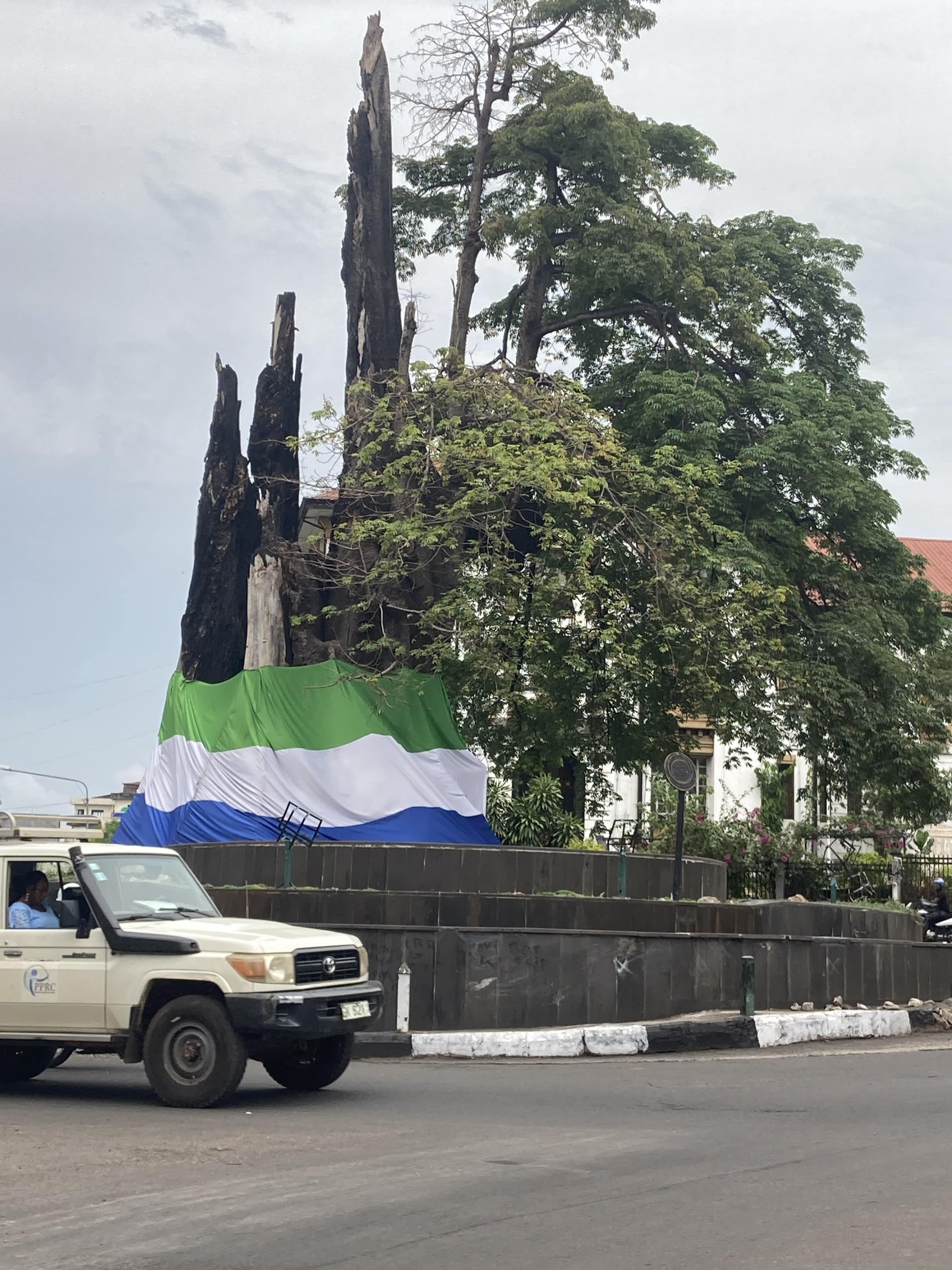
On the night of 24 May 2023, the Cotton Tree fell during a heavy rainstorm. Only the base of its trunk remained.
The tree stood for what SLRiseHub Media hopes to be: a place where Sierra Leoneans gather, a record of where the country has been, and a witness to who its people are.
Independence
Payment buys a clearly labelled commercial service or access to an audience — never favourable coverage or control over our conclusions. Sponsored content is always labelled and is never written by our newsroom. Commercial staff cannot edit, suppress or approve journalism.
Get in touch
Story ideas, corrections and partnership enquiries are welcome. See how to contact us.